FY28 Budget Conversation: What We Heard & What's Next
Nov 18, 2026
Prince George’s County Public Schools (PGCPS) is developing its Fiscal Year 2028 operating budget amid a projected $75 million to $100 million shortfall.
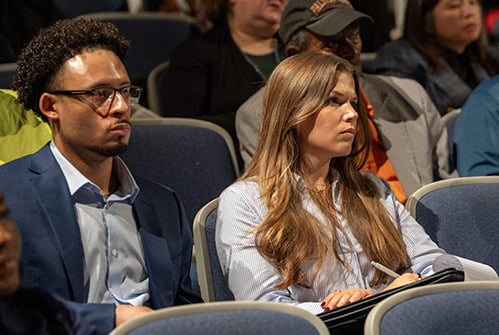
On Nov. 17, district leaders hosted a live community conversation to discuss the district’s financial outlook, answer questions and begin a broader dialogue about the decisions ahead.
We heard you. Families, employees and community members raised important questions about specialty programs, transportation, potential reductions and how budget decisions will be made.
Your feedback will help shape upcoming conversations, including additional podcasts with district leaders and the Board of Education’s Operations, Budget and Fiscal Affairs Committee (OBAFA).
Here are the key takeaways and ways to stay involved.
PGCPS is navigating a structural deficit, meaning the district's ongoing expenses are growing faster than its recurring revenue. Each year, the gap between what it costs to operate schools and the funding available to support them continues to put pressure on the budget.
Last year's $150 million in reductions helped address immediate budget pressures, but did not resolve the underlying imbalance. Continued cuts alone are not a sustainable long-term solution. Closing the gap will require both responsible spending and increased, sustainable revenue from State and County partners.
People are the district's largest investment.
82% – 84% of PGCPS' nearly $3 billion operating budget supports employee salaries, wages and benefits.
Every area is under review. PGCPS is conducting a systemwide inventory of services and reviewing contracts to identify efficiencies, eliminate duplication and align resources with district priorities. No department is exempt.
Families raised concerns about the future of specialty programs, language immersion opportunities and transportation access.
What's next? Upcoming engagement opportunities and additional OBAFA podcast discussions will provide more detailed financial information, explore potential options and address questions raised by the community.
"Our approach in this budget season is to be able to present options and then have the community discuss how and what we can do. We must do this together this year, because when you're talking about these types of cuts and these types of challenges, the voice is important and people have to understand the why."
— Superintendent Dr. Shawn Joseph
State and County funding decisions directly affect the resources available to PGCPS. Families, employees and community members can make a difference by sharing their stories, advocating for additional resources and participating in the budget process.
The Board of Education’s Policy & Governance Committee, in partnership with members of the Prince George’s County Delegation, developed PG-508-27, proposed legislation that would establish a new funding source for special education in PGCPS. If enacted, the bill would impose a 1% tax on alcohol, marijuana, cigarettes, tobacco and vaping products. The district estimates the tax could generate $50 million to $100 million annually to help close the gap between special education costs and available federal and state funding.
Visit pgcps.org/28budget to:
Thank you for staying engaged and advocating for our students and schools.